EngineeringUK publishes first social impact report
20/10/2026
A new report published by EngineeringUK highlights the progress being made towards a more diverse engineering and technology workforce. The report: ‘EngineeringUK Social Impact: Progressing towards our collective mission’ shows the impact of the work the organisation does for all the communities it serves. It brings together evidence from across the four strategy strands of research, leadership, advocacy and activities for schools.EngineeringUK’s mission is to enable more young people from all backgrounds to be informed, inspired and supported to progress into engineering and technology. Its strategy serves young people, teachers, careers leaders, employers, outreach providers and policy bodies. The social impact is the change it creates for these communities and for the future engineering and technology workforce.
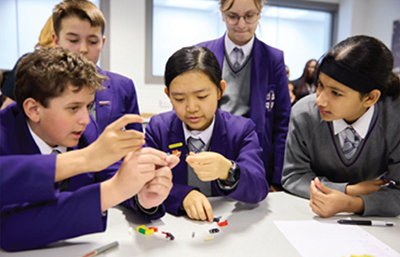 | ||
| EngineeringUK inspires more young people from all backgrounds to pursue a future in engineering |
The first EngineeringUK social impact report highlights the contribution made to improving science, technology, engineering and mathematics (STEM) outreach, increasing participation among under-represented groups and helping young people build the confidence, knowledge and motivation to pursue engineering and technology careers.
Drawing on evidence from 2024 and 2025, it demonstrates impact across four key areas: improving the quality, targeting and inclusivity of outreach; increasing connection and collaboration; building young people’s capability, opportunity and motivation; and increasing reach and participation of under-represented groups.
The report highlights the role EngineeringUK plays as a trusted source of evidence and a convenor of organisations across the engineering and technology sector. It shows how activities and initiatives such as the Tomorrow’s Engineers Code, Neon, The Big Bang Fair and the Climate Schools Programme are helping improve science, technology, engineering and mathematics engagement and careers inspiration. Evaluations show consistent gains in young people’s confidence, knowledge and aspirations relating to engineering and technology careers. Stakeholders find that EngineeringUK’s guidance, evidence and convening activities are helping to improve the quality and targeting of outreach across the sector.
The report also highlights the scale of EngineeringUK’s reach. In 2024/25, its activities engaged more than 206,000 young people, representing 43% of secondary schools across the UK. Half of these are priority schools, meaning they have higher proportions of students from groups under-represented in engineering and technology.
The findings underline the importance of sustained collaboration and long-term action to address persistent skills shortages and improve diversity within the engineering and technology workforce.
The report can be accessed at: www.engineeringuk.com/research-and-insights/our-research-and-evaluation-reports/social-impact-report
Dr Hilary Leevers, Chief Executive Officer at EngineeringUK, said: “This social impact report sets out how we are turning our mission into action. It brings together evidence from across our work to show where we are making the greatest difference and where there is more to do. None of this is possible alone. Progress depends on continued collaboration, shared responsibility and sustained commitment and I am grateful to everyone who works with us to help make that change happen.”
www.engineeringuk.com


